
River Guardians
Becoming a Friend, and Guardian, of the River.
Many of us will know what it feels like to be in a friendship where one side gives more than the other. As humans, we've drifted into that imbalance; taking more than we give.
Now, it's time to ask a different question: What can we offer in return?
For us, being a Friend and Guardian of the River means showing deep care, love, and reverence. It means standing alongside her, not as an owner or manager, but as a companion and protector. It's about slowing down, paying attention, and truly listening to the River; recognising that she is not just a feature of the landscape, but a living presence deserving of the same compassion, respect, and reciprocity we offer in our closest human relationships.
Like any true friendship, becoming a Friend and Guardian of the River takes time. Through attention, care, and acts of kindness, we begin to truly know her. Guardianship grows from that relationship; a commitment not only to protect, but to honour, advocate for, and walk alongside the River in companionship rather than control.
To become a Friend of the River is to remember something ancient. To become a Guardian is to accept a responsibility that flows from that friendship. It is not a new idea, but part of a very old way of being; one in which rivers were honoured as kin. Where they were seen as living beings worthy of care, respect, and protection rather than open sewers or dumping grounds.
Be part of the change.
Pledge for the River
-
Many garden pesticides are laced with toxins so potent they've been banned from farms. When it rains, these chemicals are swept into storm drains and flow straight into rivers — poisoning insects, disorientating bees, harming birds, and wiping out the tiny bugs that keep ecosystems alive.
01Try companion planting — marigolds with tomatoes, for example.
02Use natural deterrents: neem oil, garlic spray, copper rings.
03Encourage natural predators like ladybirds and frogs.
04Learn more at PAN UK's guide to pesticide-free gardening.
-
Most cleaning products are filled with synthetic compounds — some so persistent they're called "forever chemicals." These toxins don't disappear: they flow from our sinks into rivers, harming fish and rewriting ecosystems. One fifth of male fish in UK rivers now have female traits because of the chemicals in our products.
01 Ditch usual brands full of synthetic surfactants.
02 Choose eco-certified options — look for EWG Verified or EcoCert labels.
03 Explore river-friendly brands for washing and laundry, shampoos, and cleaning products.
04 Tell a friend. River-saving is contagious.
-
Industrial farming douses crops with synthetic pesticides and fertilizers — and it doesn't stay on the fields. Rain carries these chemicals straight into rivers, poisoning aquatic life. Organic and regenerative farming keeps rivers clean by reducing pollutants, improving soil health, and increasing biodiversity.
01Shop local — farmers' markets, veg box schemes, or farm shops.
02Go organic where possible, especially for high-residue produce.
03Support farmers who farm with nature, not against it.
-
Each person in the UK uses 142 litres of water a day. Almost double the amount we used in the 1960s.
The South East of England is already under pressure from water scarcity, and simple, everyday choices can help save water.
01 Reduce your water use at home - shorter showers, fixing leaks, and being mindful of daily habits..
02 Slow the flow - help rainwater soak into the land through planting, ponds, and natural spaces.
03 Get a water butt - store rainwater and use it to water your plants.
04 Rethink the flush - a third of household water consumption is spent on flushing the toilet. Use water-saving devices; or join our Exec Director and explore alternatives like compost toilets that reduce pressure on our water systems.
-
You don't need a lab coat to make a difference. Our Ripple Effect team has uncovered numerous sources of pollution that might have gone unnoticed without community effort. The power to create real change is in our hands — it's as simple as stepping outside, visiting the river, and paying attention.
01Reach out to our Ripple Effect team to become a volunteer.
02Want to create your own group? Grab the River Action Toolkit.
03Start monitoring your local stream or river.
-
Corporations have legally-recognised rights. Rivers don't. Around the world, communities are rising to change that - demanding that rivers be recognised not as property or resources, but as living beings with legal rights: the right to flow freely, to remain clean and vibrant, to nurture life in all its forms. Rivers have Rights.
01 Declare it boldly: the River has a voice. Help represent it.
02 Learn more about ecocentric governance models, and tell people about it.
03 Write to your local councillors and MPs asking them to support the River's rights.
-
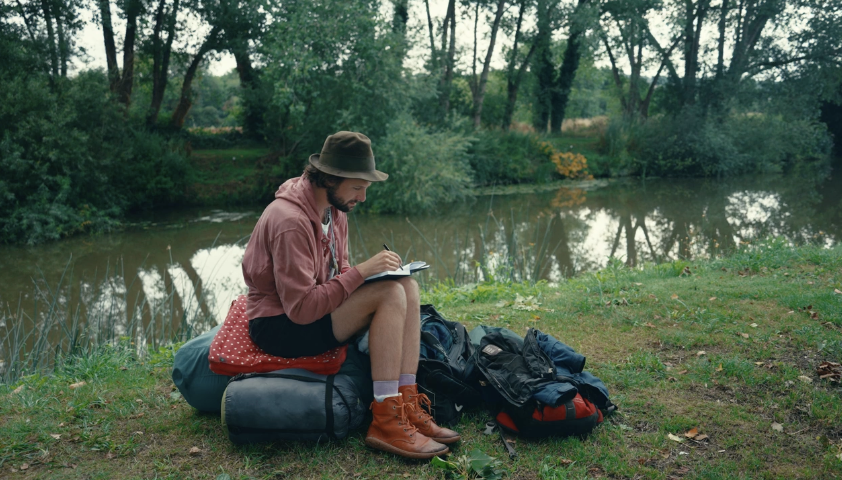
Long before the Romans or Saxons arrived, the Indigenous peoples of these lands honoured rivers as sacred — recognising that their lives were deeply woven into the flow of these waterways. A Riverside Celebration is an invitation to change our relationship with the River — to engage with her not as a backdrop, but as a vital presence worth knowing and protecting.
01Host a riverside picnic or gathering.
02Create art inspired by the River.
03Leave a gift of flowers or natural offerings to show gratitude.
04Post your celebrations and inspire others — tag us @formedway and #FriendOfTheMedway.
Become a Guardian
-
Become a Guardian -
Sign up to be a River Guardian
There are many ways to become a Friend and Guardian of the River, and it often begins with the small choices we make every day.
Caring for the River Medway doesn’t have to feel complicated - from simple actions at home, such as reducing water use and choosing river-friendly products, to bigger steps like learning about the river, joining citizen science projects or taking action in your community. Every action helps rebuild our connection with the river and contributes to its future.
We’ve created a collection of ways you can start caring for the River Medway below, from small everyday changes to deeper forms of involvement. And, if you feel called to become more actively involved, you can sign up to join our River Guardians network; a growing community of people who want to care for, celebrate and protect the river.