
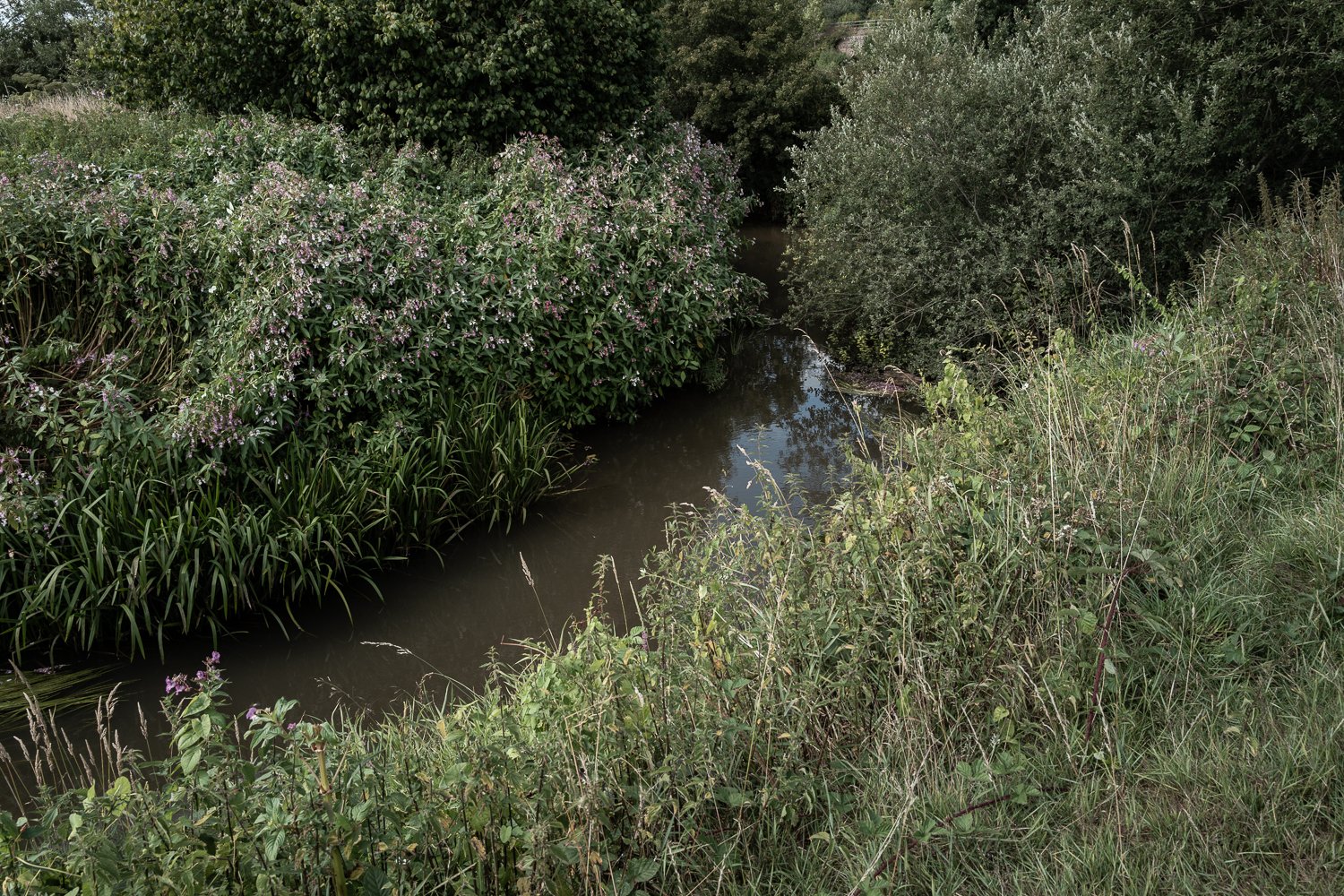
Ripple Effect
Caring for the health of the river
We were worried about the health of the River Medway and its tributaries, but in order to protect and care for them, we first need to understand them. So Friends of the River Medway and the University of Sussex launched Project Ripple Effect, a citizen science initiative exploring river health and how people connect with nature.
Since March 2024, we have trained over 40 volunteers to monitor water quality across three stretches of the upper river. Each month, they test for phosphates, ammonia, temperature and conductivity, and carry out Riverfly surveys which use key invertebrate groups as biological indicators of water quality. We’re also using environmental DNA (eDNA) to reveal every species present, from fish to mammals, through microscopic traces left in the water.
Ripple Effect isn’t just about data. It’s about people, exploring how hands-on science and time by the river deepen nature connection, shape values, and inspire long-term care for our environment. It’s important for us to share what we find, so we publish regular newsletters with project updates and accessible interpretations of data, so scientists and non-scientists alike can understand what the numbers mean and why they matter. Anyone can read our detailed data reports and explore historic trends and monthly comparisons across sites.
River Monitoring
Now that we’ve been monitoring the river for a while, we have established trigger thresholds at several sites. These allow our volunteers to see immediately if there has been a pollution event and respond quickly to protect the river. More than once our volunteers have helped to prevent catastrophic harm thanks to their monthly testing. In general, while some results reveal worrying signs of pollution, this evidence is incredibly powerful when we push for action and positive change.
This is only the beginning. As we carry on monitoring, we plan to expand our efforts to build powerful evidence for better river protection and grow a community that values and cares for its rivers. Explore the interactive map, have a look at our reports and newsletters, and find out how to get involved.