
Our Projects
The work we're doing to restore, protect, and revere the River Medway.
Hands-on action
& restoration
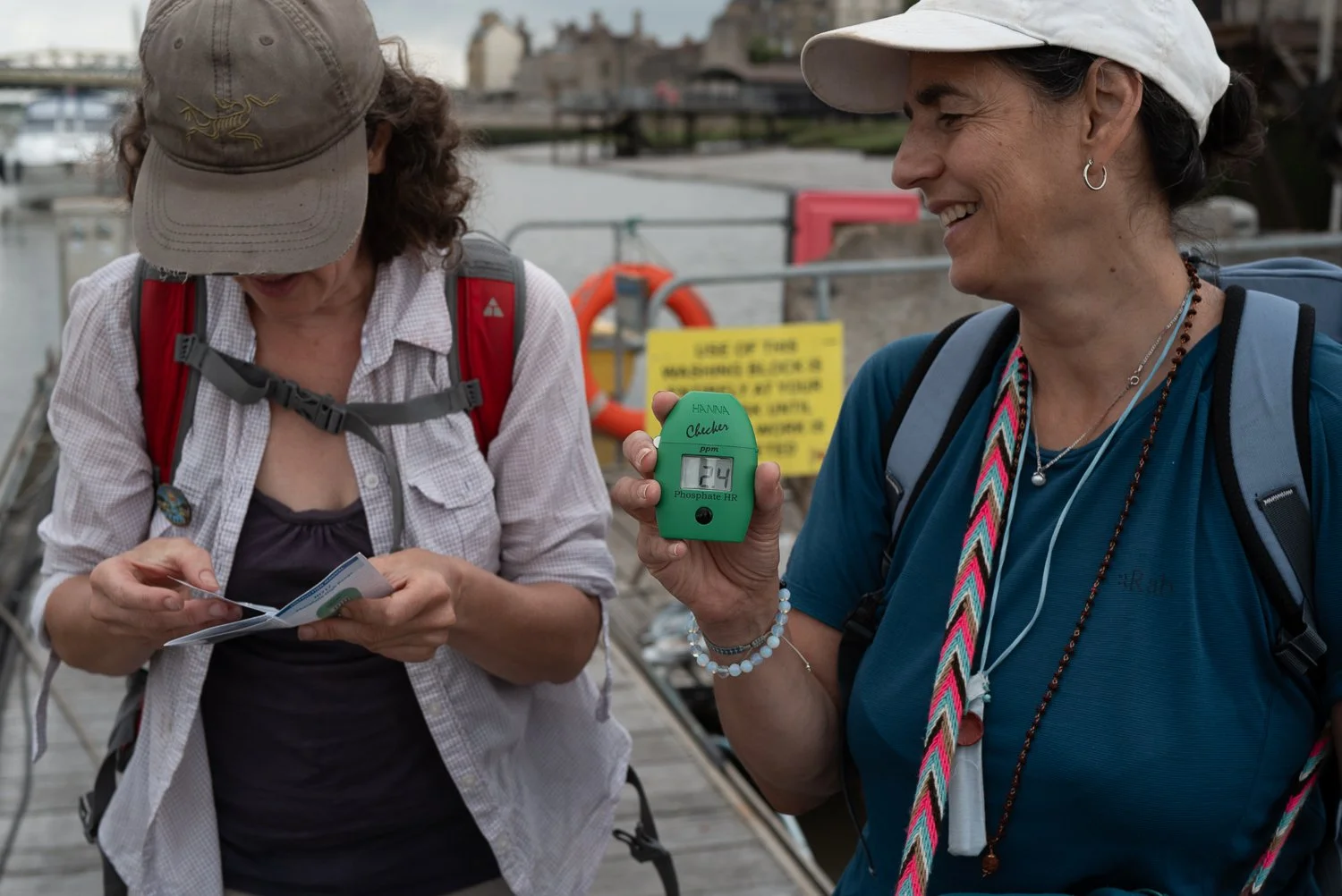
Ripple Effect:
Citizen Science
Friends of the River Medway and the University of Sussex launched Project Ripple Effect — a citizen science initiative exploring river health and how people connect with nature.
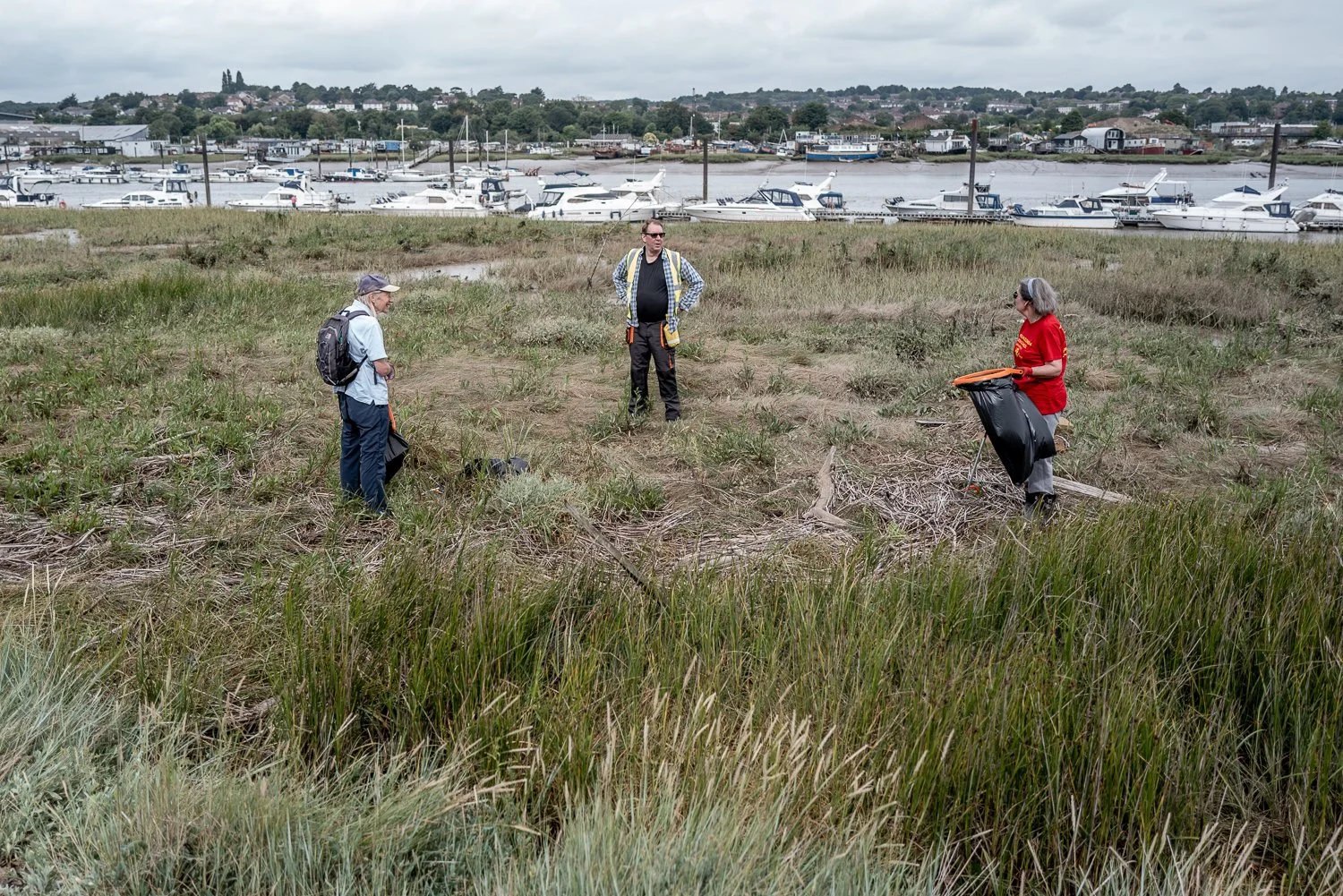
Become a Friend
of the River Medway
Over the past few centuries, our relationship with rivers has grown distant. Rivers have been treated as resources to extract from, or problems to manage. But it hasn't always been this way.
Rights, advocacy
& legislation
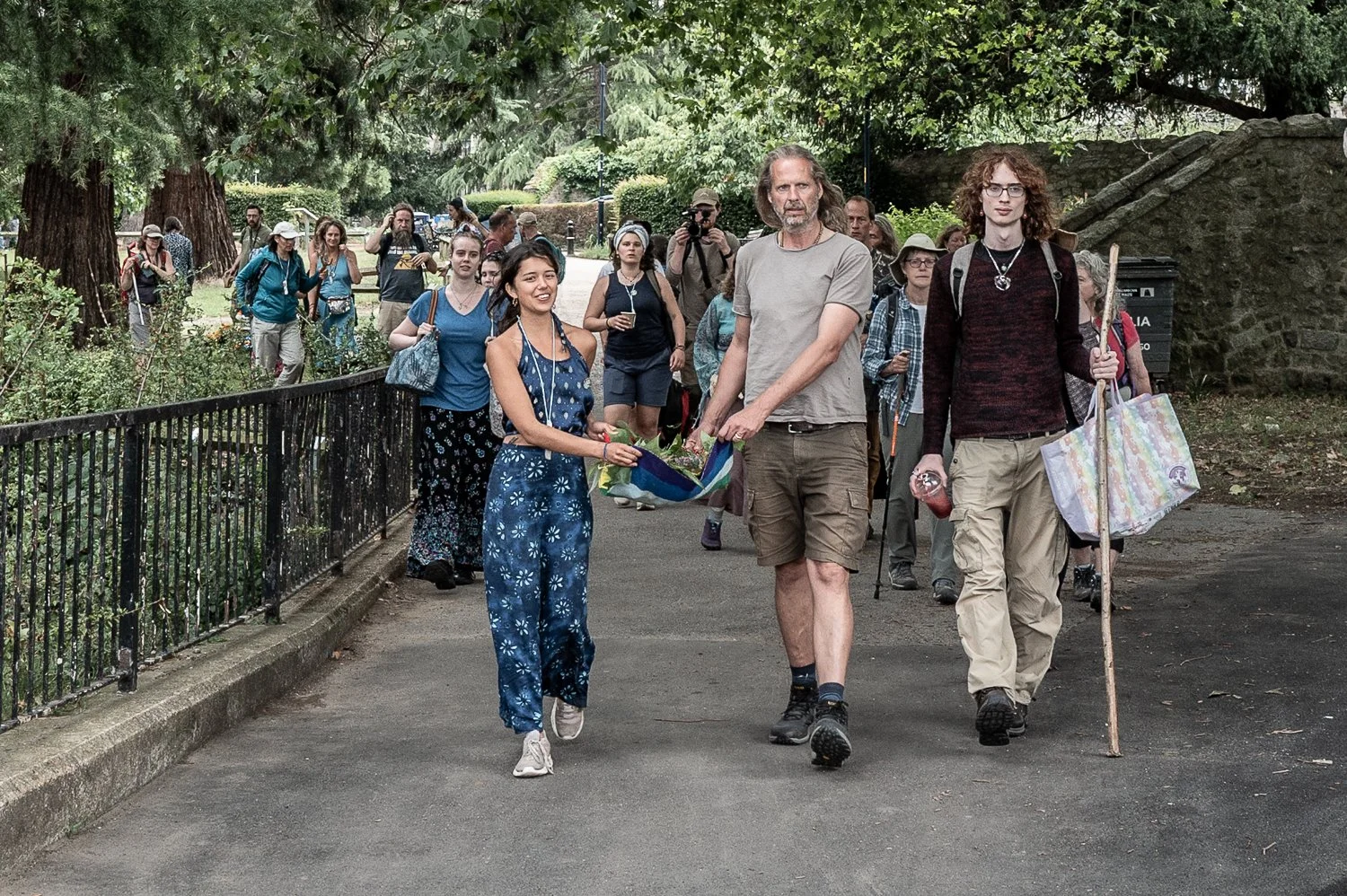
Land Stewards: Farmer
& Landowner Engagement
In July 2025, a gathering at Aylesford Priory — during our Source to Sea pilgrimage — sparked an ongoing movement of farmer and landowner stewardship along the River Medway.
Reverence, ceremony
& creative connection
The Medway as our Muse:
Online Exhibition
A space dedicated to celebrating the ways the River Medway inspires us — from poetry and photography to art, stories, and reflections.
Source to Sea:
River Pilgrimage
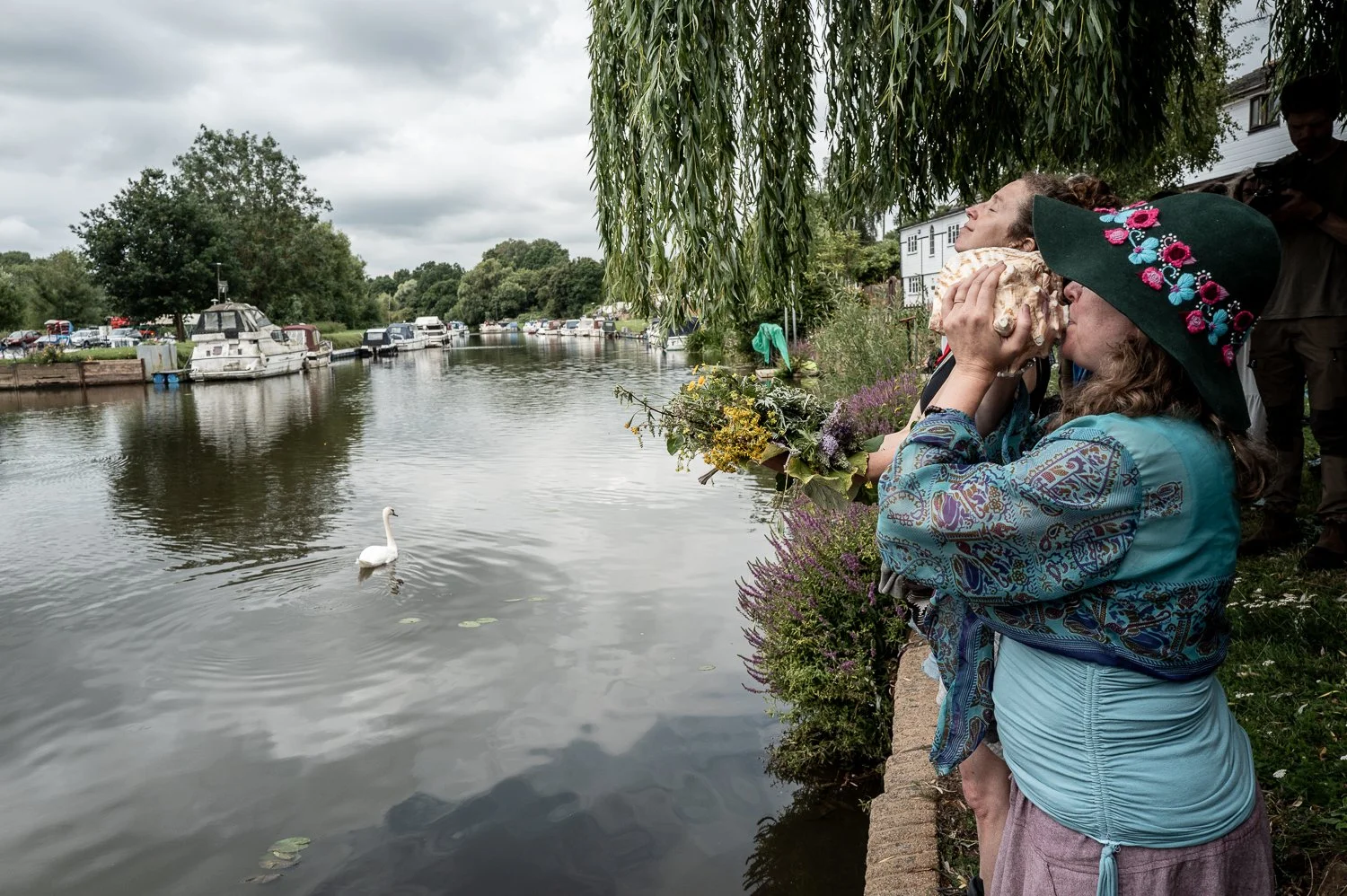
Walking the full length of the River Medway — from her source in the High Weald to the sea at Sheerness — as an act of reverence, listening, and collective care.
Ripple Effect:
Citizen Science
We were worried about the health of the River Medway and its tributaries, but in order to protect and care for them, we first need to understand them. So Friends of the River Medway and the University of Sussex launched Project Ripple Effect — a citizen science initiative exploring river health and how people connect with nature.
40+ Trained Volunteers
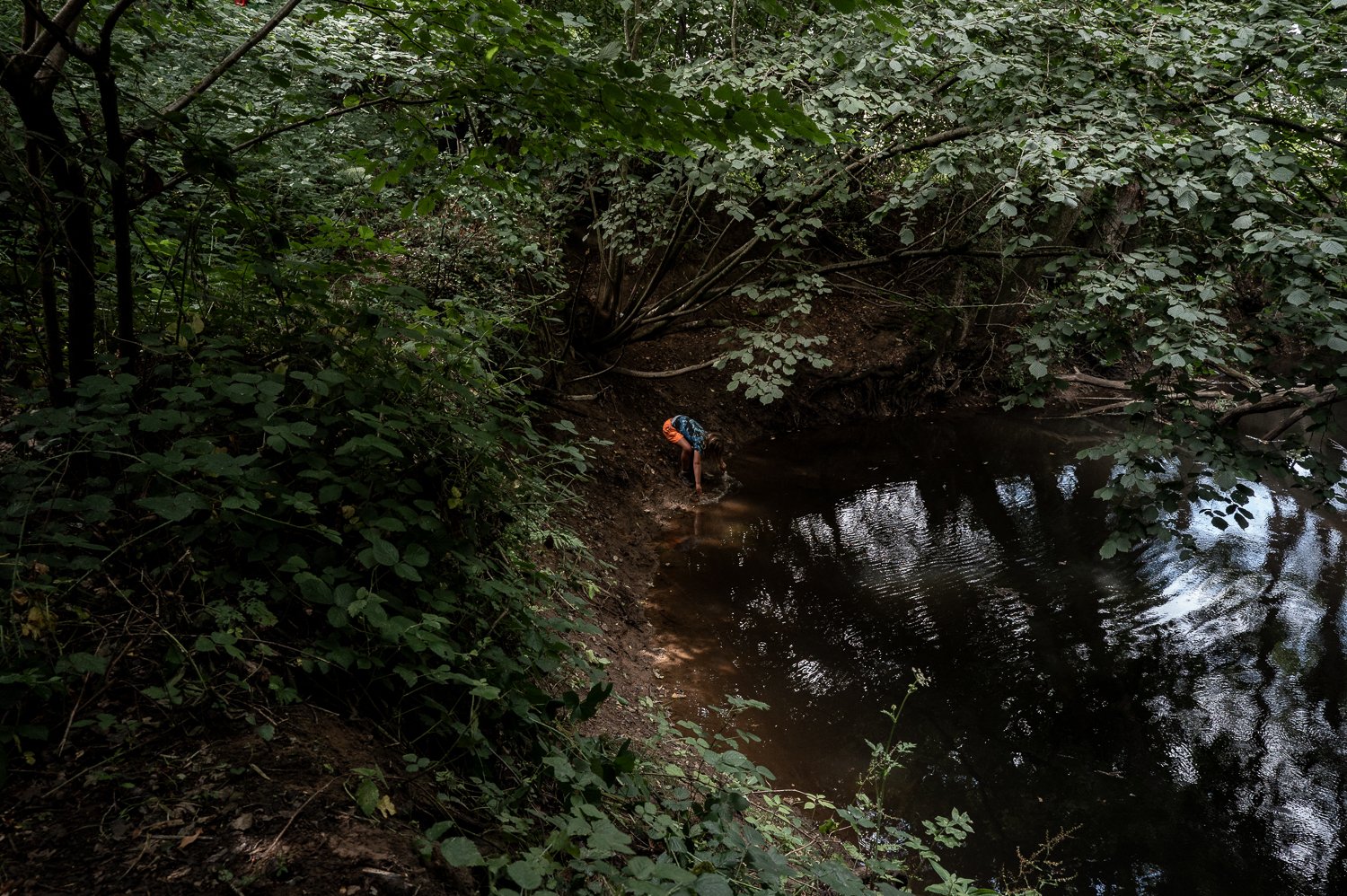
Since March 2024, over 40 volunteers have monitored water quality across three stretches of the upper river — testing for phosphates, ammonia, temperature and conductivity, and conducting Riverfly surveys using key invertebrate groups as biological indicators.
Environmental DNA
We use environmental DNA (eDNA) to reveal every species present — from fish to mammals — through microscopic traces left in the water. This powerful technique builds a picture of river health that visual surveys alone cannot capture.
Science Meets Connection
Ripple Effect isn't just about data — it's about people. We explore how hands-on science and time by the river deepens nature connection and inspires long-term care. We publish regular newsletters and data reports so everyone can understand what the numbers mean.
Early Warning System
We've established trigger thresholds at several sites so volunteers can detect pollution events immediately. More than once, rapid volunteer response has helped prevent catastrophic harm to the river.
This is only the beginning. As we carry on monitoring, we plan to expand our efforts to build powerful evidence for better river protection and grow a community that truly values and cares for its rivers.
"While some results reveal worrying signs of pollution, this evidence is incredibly powerful when we push for action and positive change."
Become a Friend
of the River Medway
Over the past few centuries, our relationship with rivers has grown distant. Rivers have been treated as resources to extract from, or as problems to manage. The results are clear — the River Medway, along with countless others, is suffering. But it hasn't always been this way.
Why the River Needs Friends
Pollution, runoff, sewage overflows and over-extraction are symptoms of disconnection. Not so long ago, rivers were places of reverence — burial sites along the Medway suggest offerings were common signs of respect. British folklore is alive with references to water as a portal: mysterious, life-giving, sacred.
What is a Friend of the River?
Many of us know what it feels like to be in a friendship where one side gives more than the other. Being a friend means showing deep care, love, and reverence — slowing down, paying attention, and truly listening to the River as a living presence deserving the same compassion we offer in our closest relationships.
A Return to Relationship
To become a Friend of the River is to remember something ancient — not a new idea, but a very old way of being. Through everyday choices, collective action, and a shift in mindset, we can become protectors and partners to the River once more.
Magical Detergents & Personal Care
Most cleaning products contain synthetic compounds — some so persistent they're called "forever chemicals." These toxins flow from our sinks into rivers, harming fish and rewriting ecosystems. One fifth of male fish in UK rivers now have female traits because of the chemicals in our products.
Your pledge
- Switch to plant-based, biodegradable cleaning products
- Choose shampoos, soaps and cosmetics that are free from microplastics, synthetic fragrances and hormone-disrupting chemicals
Rethink What You Flush
Wet wipes — even so-called "flushable" ones — are one of the biggest contributors to river pollution. Along with cotton buds, period products and other non-flushables, they block sewers and end up in rivers as plastic waste.
Your pledge
- Only flush the three Ps: pee, poo, and (toilet) paper
- Switch to plastic-free alternatives for personal care
Grow a River-Friendly Garden
Pesticides, herbicides and artificial fertilisers wash off gardens and farmland and into rivers, depleting oxygen and triggering toxic algae blooms. A wildlife-friendly garden is a gift to the watershed.
Your pledge
- Go peat-free and chemical-free in your garden
- Plant native wildflowers and create a compost heap
- Install a water butt to reduce runoff
Eat for the River
Agriculture is the single biggest source of river pollution in England. Intensive farming methods — heavy fertiliser use, large-scale livestock operations — send nitrogen, phosphorus and pathogens cascading into waterways. What we eat directly shapes what goes into the water.
Your pledge
- Reduce meat and dairy consumption, especially from intensive farms
- Buy from local, regenerative and organic producers where possible
- Support businesses actively working to reduce their environmental footprint
Reduce Plastic
Plastics enter rivers through littering, stormwater runoff and air deposition. Microplastics are now found in the tissue of river species throughout the world — and in our own blood. Reducing plastic use is one of the most direct ways to protect waterways.
Your pledge
- Carry a reusable water bottle, coffee cup and shopping bag
- Avoid single-use plastics and unnecessary packaging
- Participate in local litter picks and river clean-ups
Slow the Flow at Home
Climate change is intensifying both droughts and floods. When we cover land with hard surfaces and channel water away quickly, we increase flood risk downstream and deprive rivers of their natural flow regimes. Every garden, driveway and roof can be part of the solution.
Your pledge
- Replace impermeable surfaces with gravel, permeable paving or planting
- Install a green roof or living wall if possible
- Create rain gardens to absorb runoff naturally
Use Your Voice
Individual action matters — but systemic change requires political will. Rivers need champions who speak up in planning consultations, write to their MPs, and hold polluters to account. Silence is a vote for the status quo.
Your pledge
- Contact your MP about river pollution and the need for stronger protections
- Respond to planning consultations that affect rivers and wetlands
- Support organisations — like ours — working on river rights and restoration
Visit, Connect, Revere
The deepest protection comes from love. When we know a river — when we walk her banks, watch her seasons, listen to her — we begin to care in a way no regulation can manufacture. Presence is the beginning of guardianship.
Your pledge
- Spend regular time at the River — walking, sitting, observing
- Learn the names of the species that share her waters
- Bring others — especially children — to meet the River
Land Stewards: Farmer
& Landowner Engagement
In July 2025, a gathering at Aylesford Priory — during our Source to Sea pilgrimage — sparked an ongoing movement of farmer and landowner stewardship along the River Medway.
Led by Monika Schiborr of Regenerative Design, the project brings together those who hold the land through which the River flows, building relationships and exploring practical, legal and sacred approaches to stewardship.
Building Trust & Connection
Change starts with relationship. We bring farmers and landowners together to share knowledge, experiences and concerns — building the trust needed for collective action.
Regenerative Land Management
From riparian buffer zones to natural flood management, we explore practical steps landowners can take to restore the river's health — and the financial pathways that make this viable.
River Rights & Legal Frameworks
We explore what it would mean for the River Medway to hold legal rights — and what responsibilities this would place on those who steward the land through which she flows.

The Medway as our Muse:
Online Exhibition
A space dedicated to celebrating the ways the River Medway inspires us — from poetry and photography to art, stories, and reflections. The River has always been a muse. Here, we honour that relationship.
Poetry & Writing
Poems, prose, reflections and stories inspired by the River Medway and her landscape.
Photography & Art
Photographs, paintings, illustrations and visual works that capture the spirit of the River.
Music & Audio
Field recordings, compositions, and soundscapes drawn from time spent with the River.
Source to Sea:
River Pilgrimage
What if pilgrimage — a practice long used for inner transformation and renewal — could also become a way of helping heal the landscapes around us?
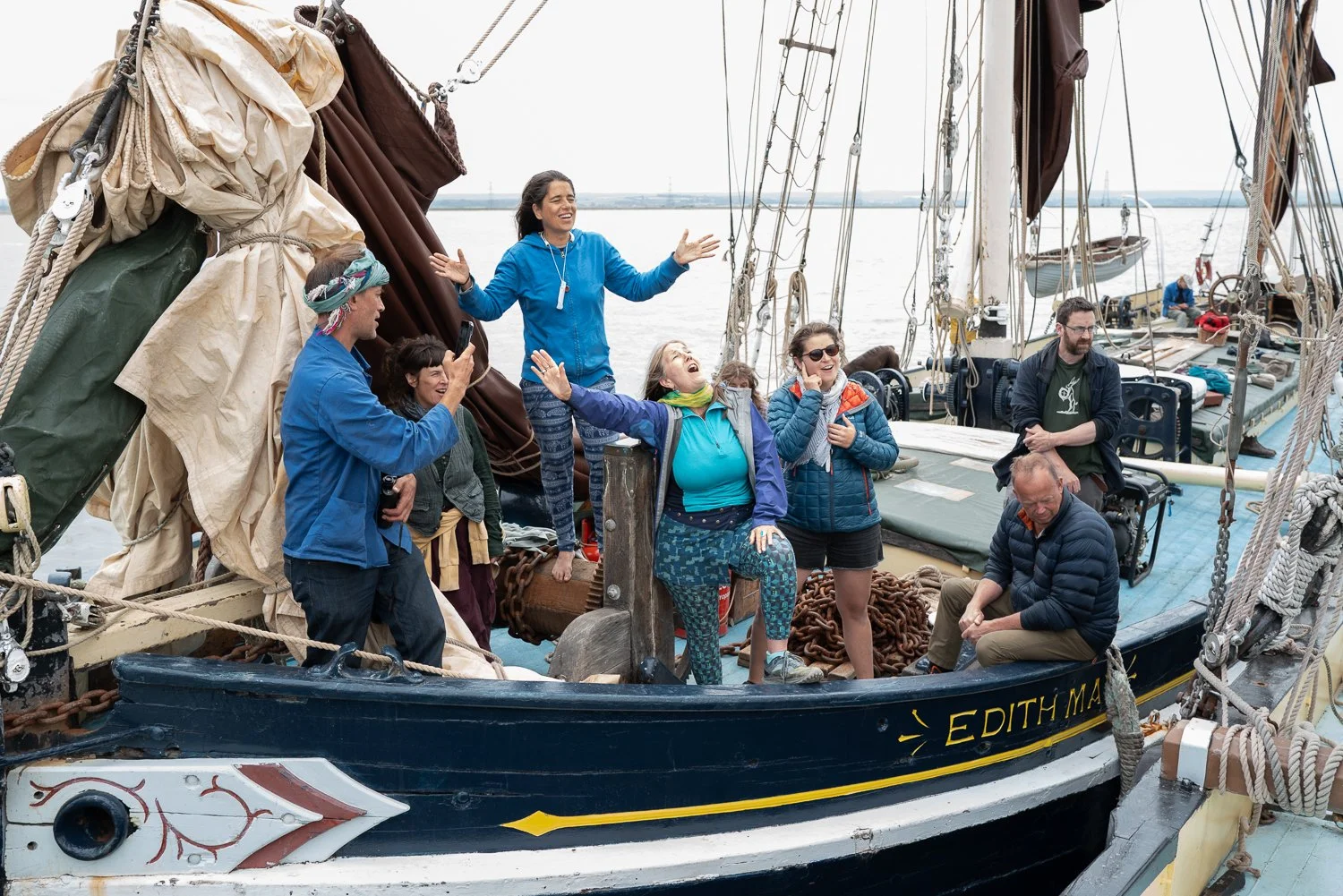
In 2025, we set out on a journey along the River Medway, walking from her source to the sea. Our intention was to listen to the river, to connect with the communities along her banks, and to explore new pathways for change.
It was an act of reverence and remembrance, but also an inquiry: how might river pilgrimage open space for inner transformation, and how might that inner shift flow outward into care and action for the river herself? Could pilgrimage become a conduit for change beyond the individual?
Throughout the journey, we worked through our three interconnected streams — practical, legal, and sacred. We combined everyday acts of care, such as litter picks and citizen science, with advocacy for the Rights of the River Medway, alongside daily moments of ceremony and reflection to honour the river.
And, as we walked, we tapped into something ancient: the living relationship between humans — journeying together in common purpose — and the wider web of life. And soon, what began as an experiment became something more: an ongoing practice of walking with the river, and walking for her.
Our next River Medway pilgrimage will take place 17–26 July.
→ Details coming soon
You can also:
Caring for the River
starts with all of us.
Whether you want to get your hands muddy, raise your voice, or simply deepen your connection with the water — there's a place for you in this work.