
Eating Organic on a Budget
Eating Organic on a Budget: Feeding the Medway
Why what we eat shapes the land and water around us
The River Medway flows through some of Sussex and Kent's most farmed countryside. The health of her water, and the soil that drains into her, is intimately connected to how that land is managed. Choosing organic food is one of the most direct ways that individuals can support a farming system that works with nature rather than against it.
This page explains why that matters, and offers a practical, affordable way to get started: a free downloadable guide to eating organic on a budget, featuring a 7-day meal plan with recipes using organic ingredients for just £30 per week.
Why organic farming matters for soil and water
Soil health
Conventional farming relies heavily on synthetic fertilisers and pesticides. Over decades, these degrade soil structure, reduce microbial diversity, and strip the earth of its capacity to hold water and nutrients. Healthy soil is not just dirt - it is a living ecosystem, teeming with fungi, bacteria, worms and invertebrates that cycle nutrients, sequester carbon and bind the soil together.
Organic farming builds this life back. By using compost, green manures and crop rotations, organic farms feed the soil biology rather than bypassing it. Organically managed soils are demonstrably richer in earthworms, mycorrhizal fungi and beneficial microbes. They hold more moisture, resist erosion better, and store more carbon per hectare. When we buy organic, we vote for more of this land to be managed this way.
Water quality and the Medway
What happens in the fields ends up in the Medway. Synthetic nitrogen fertilisers are highly soluble - they wash off farmland with every rainfall event, entering streams and rivers and triggering algal blooms that deplete oxygen and kill fish and invertebrates. Pesticides - herbicides, fungicides, insecticides - follow the same routes. Many are acutely toxic to aquatic invertebrates, the foundation of the river's food web, and some persist in river sediments for years.
The Medway catchment has experienced serious pressures from agricultural run-off for decades. Studies of chalk streams and rivers across the South East consistently show elevated nitrate and pesticide levels linked to intensive arable farming. Choosing organic food reduces demand for these inputs at the farm level, reducing the volume entering our rivers.
Organic farms also tend to maintain hedgerows, wildflower margins and buffer strips alongside watercourses - features that physically intercept run-off before it reaches the river. By supporting organic producers, we support this landscape too.
Biodiversity
Organic farms host significantly more wildlife. A meta-analysis published in the Journal of Applied Ecology found that organic farms support around 50% more species of plants, insects and birds than their conventional counterparts. Fewer pesticides means more insects - and more insects means more swallows, house martins, bats and hedgehogs. For a river corridor like the Medway, surrounded by farmland, this biodiversity spills over into the riparian zone, enriching the riverbank habitats we work to protect.
The good news: Eating organic doesn't have to be expensive
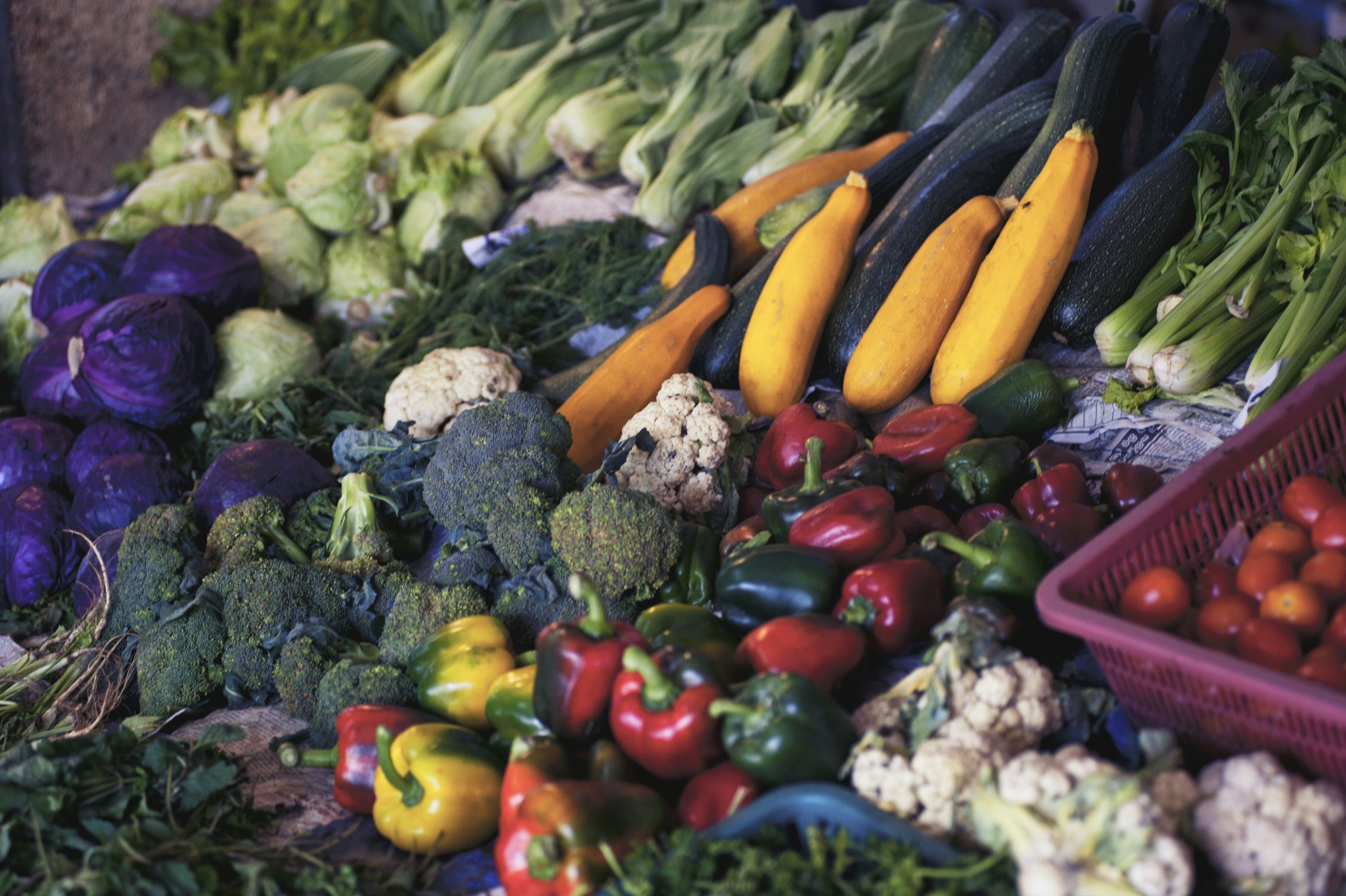
The perception that organic food is unaffordable keeps many people from trying it. But the most nutritious organic foods - dried pulses, whole grains, oats, lentils, root vegetables and seasonal fruit - are genuinely cheap. The meal plan below demonstrates this. By building meals around dry staples as the backbone, with fresh organic vegetables and fruit as the bulk of the plate, and minimising processed food and meat entirely, it is possible to eat well and eat organic for around £30 a week as a single person.
Dry staples are particularly good value: a 500g bag of organic red lentils, for example, provides the protein base for multiple meals and costs little more than its conventional equivalent. Seasonal vegetables - whatever is abundant and local - are always the cheapest fresh organic produce. Markets, farm shops with organic ranges, and buying direct from community supported agriculture (CSA) schemes are often considerably cheaper than supermarket organic lines.
Getting started - where to buy organic
Organic food is more accessible than many people expect. You can start by searching “organic food near me” in an app like Google Maps, or use the Soil Association's online directory at www.soilassociation.org - it allows you to search for certified organic producers and box schemes by postcode.
If you can’t find anything local, Riverford and Abel & Cole box schemes both deliver nationwide, and their seasonal vegetable boxes start from around £12-15 for a week's supply of organic veg for one person, which fits well within the budget above when combined with your own dry staples.
What you can do
Eating organic is a meaningful individual action, but it is most powerful when it connects to wider community engagement. Friends of the River Medway encourages you to think of your food choices as part of a broader relationship with the catchment - the network of soils, streams, fields and rivers that sustains the landscape we all share.
You can also get involved in our water quality monitoring programme - Project Ripple Effect - which tracks pesticide and nitrate levels in the Medway and its tributaries. You can find out more, and sign up, here.
If you try this meal plan, we'd love to hear from you. Share your experience with us at hello@friendsoftherivermedway.org.uk or tag us on social media.